Piped music, or zoned audio, plays music through installed speakers in different parts of a building. Each zone can have its own source and volume. The kitchen can have the radio on while the study stays quiet and the terrace plays a playlist.
Start with the zones
A zone is any area you want to control separately. Walk through the building and ask who uses each space, and when. Open-plan areas that share sound should usually be one zone, or carefully balanced neighbouring zones.
Choose speakers that suit the space
- In-ceiling speakers keep rooms clean and work well for background music.
- In-wall speakers help when the ceiling is not suitable.
- Outdoor speakers need weather-resistant models and thought for your neighbours.
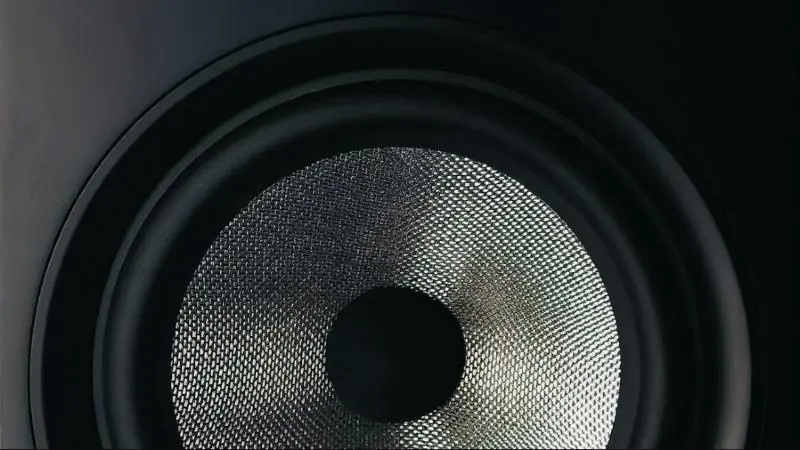
- Subwoofers add depth where you want fuller sound.
Use several speakers at low level rather than one loud speaker in a corner. Even sound is the mark of a good system.
Plan sources and amplification
List everything you want to play: streaming services, radio, TV audio, a turntable. A central rack keeps equipment out of sight, but it needs ventilation and a network connection. Wiring is easiest before the ceilings close, though wireless and retrofit options exist.
Make control simple
Most people need just three things: choose the music, choose the room and set the volume. Combine a phone app with a few wall keypads for guests and family. Scenes can also link music with lighting, for example lowering both in the evening.
Commercial spaces have extra needs
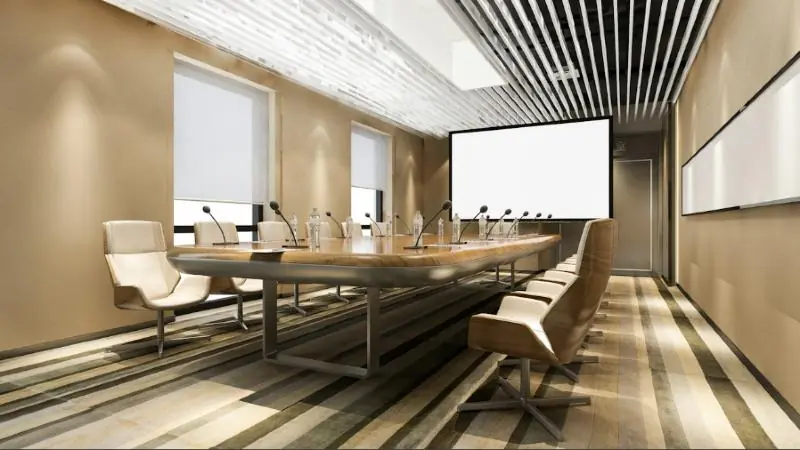
Offices, shops and hotels may need paging override, lockable volume levels and scheduling. Public music can also require licensing, so check this with the relevant music rights bodies. Read more in our guide to restaurant audio systems, or see our Piped Music solution.