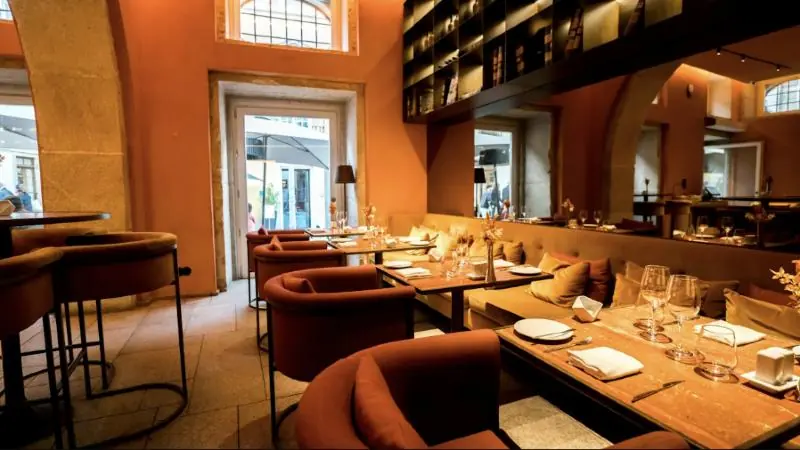
Sound shapes how a restaurant feels. Done well, the music fits the mood and guests can still talk. Done badly, one table sits under a loud speaker while another hears almost nothing.
Aim for even coverage
Using more speakers at lower volume gives a more even sound than using a few loud ones. The right spacing depends on ceiling height, seating and speaker type. A coverage plan will also help you avoid hot spots near tables.
Plan zones around how the space works
A dining room, bar, terrace, private room and washrooms may each need different levels or music. Dayparts matter too: a calm lunch service may be very different from a lively Friday night.
Think about the room
Hard floors, glass and bare ceilings make restaurants noisy, and people then raise their voices over one another. Acoustic panels, soft finishes and ceiling treatment can reduce this and make the music easier to hear at a lower level.
Choose equipment built for long hours
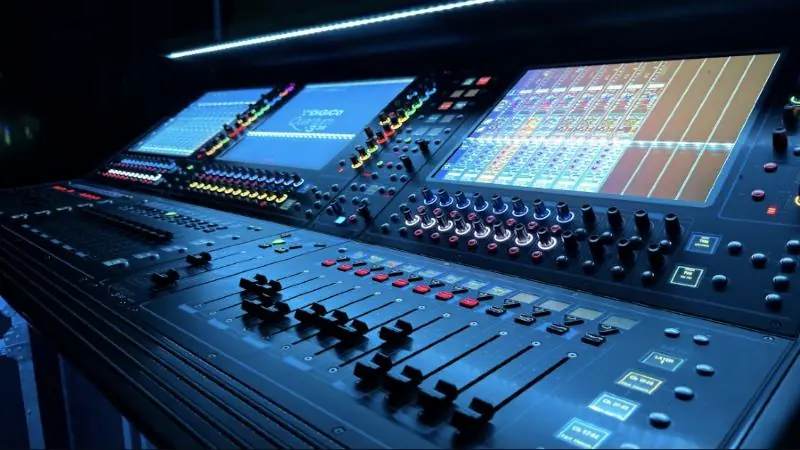
Commercial systems often run all day, so choose amplifiers and speakers designed for that use. Many installations use 100 V line distribution, which suits long cable runs and many speakers. A digital signal processor can tune each zone and set level limits.
Make it easy for staff
Staff should be able to pick a source and adjust a zone from a simple wall panel or tablet. Limit the range so that a busy shift cannot push the system too hard. Keep equipment in a ventilated, secure place.
Check the practical details
Consider how music affects neighbours, particularly from a terrace. Check your licensing obligations for playing music in public, and any local noise rules.
We provided a commercial audio system and integration for Oaks Restaurant in Kenya. See our Commercial Audio Systems solution to plan your venue.