
People on the far end of a call judge your meeting by what they can hear. Poor microphone choice leaves them guessing at words, while a good system lets them follow the conversation without effort.
The main microphone options
Video soundbars combine a camera, microphones and speakers in one unit. They work well in small rooms and huddle spaces, but pickup weakens as people sit further away.
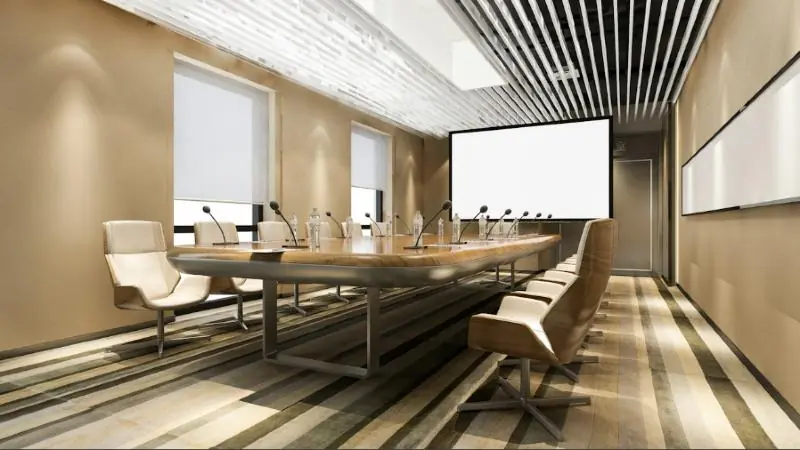
Table microphones sit close to the speakers, so they can capture clear speech. They may collect tapping and paper noise, and they need cable management or a wireless plan.
Ceiling microphone arrays keep the table clear and suit rooms with flexible layouts. They need careful positioning, particularly with high ceilings or noisy air conditioning.
Wearable or hand-held microphones suit training rooms and presenter-led sessions where people move around.
Why signal processing matters
Echo cancellation prevents remote participants from hearing themselves. Automatic mixing brings up the active microphone, while noise reduction helps with steady background noise. These may be built into the device or handled by a dedicated digital signal processor.
Fix the room too
Glass walls, hard tables and bare ceilings produce reflections that make speech sound distant. Air conditioning and projector fans add noise. Acoustic panels and quieter equipment can improve calls more than a more expensive microphone.
Test before sign-off
Make calls on the platforms you use, and listen from the far end. Check every seat, speak at normal volume and try two people talking in turn. Then document the settings.
For the wider picture, read what makes a smart boardroom easy to use, or look at our Smart Home and Office services.