A radio studio must sound good and stay on air every day. Those goals shape its room, furniture, equipment and signal path. Our work on Radio Generation included technical consultancy, equipment supply and integration, and each of those stages needs to be planned together.
Build the room
Keep outside noise out with mass, airtight construction and carefully chosen doors and windows. Inside, control reflections so that the microphone hears the presenter rather than the room. Make air conditioning quiet, because microphones and listeners will notice it.
Design around the presenter
Presenters need to reach faders, screens, phones and guest microphones without looking away. Decide how many people will be in the room and whether the presenter will self-operate. Sightlines to guests and to any control room matter as well.
Choose core equipment
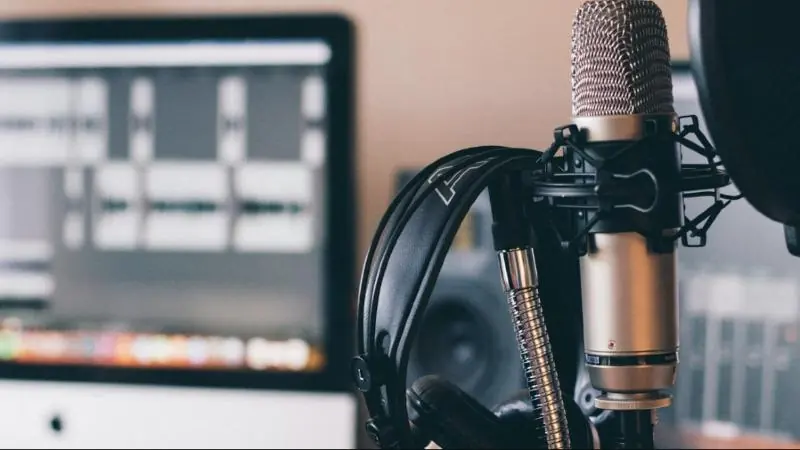
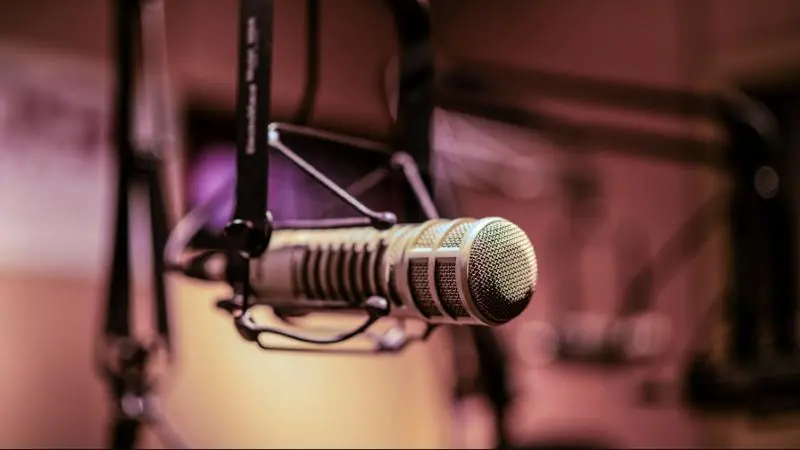
- Microphones: dynamic broadcast models, such as the RE20, handle close speech well.
- Console: should suit your workflow, with mix-minus for callers and remote guests.
- Monitoring: speakers that mute when the mic is live, plus closed-back headphones.
- Playout: software for music, adverts and scheduled content.
Follow the on-air chain
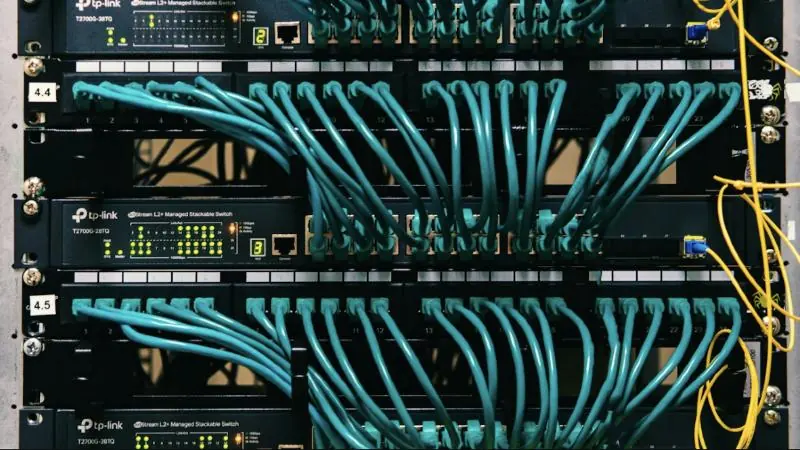
Map every step from the microphone to the transmitter: console, processing, studio-to-transmitter link and transmitter. Include these along the way:
- An audio broadcast delay to give the team time to remove unwanted live content.
- An audio distribution amplifier to feed one source to several destinations.
- Off-air monitoring and silence detection.
Plan for what fails
Power and links are the usual risks. Consider UPS and generator cover, a backup playout source and a second route to the transmitter. Write a simple procedure the on-duty team can follow at any hour.
Allow for growth
Spare conduit and rack space make future studios cheaper to add. If you expect several studios or remote contributors, read about IP-based broadcast workflows.