Kenya's Energy (Net-Metering) Regulations, 2024 let eligible grid-connected customers offset part of their electricity use with solar power they export. The rules change how a system should be sized, so read them before choosing a panel count.
The summary below is based on a legal review of the regulations. Rules and tariffs change, so confirm the current position with Kenya Power or your retailer before you commit.
The main limits
- Homes: up to 4 kW on single-phase supply and 10 kW on three-phase.
- Commercial and industrial sites: up to 1 MW, and no higher than peak demand recorded over the previous 12 months.
- Agreement: a standard five-year renewable contract with the utility.
- Metering: a smart bidirectional meter, with the meter and grid connection paid for by the customer.
Why exports are worth less than self-use
Each unit exported earns a credit equal to 50% of that unit. Unused credits roll over to the next billing period but are lost at the end of the utility's financial year.
In practice, a unit used on site offsets a full unit, while an exported unit offsets half. That usually favours a system sized around daytime consumption, rather than the largest system the rules allow.
Size from your load profile
- Collect at least 12 months of bills.
- Measure daytime and night-time demand, ideally with a logger.
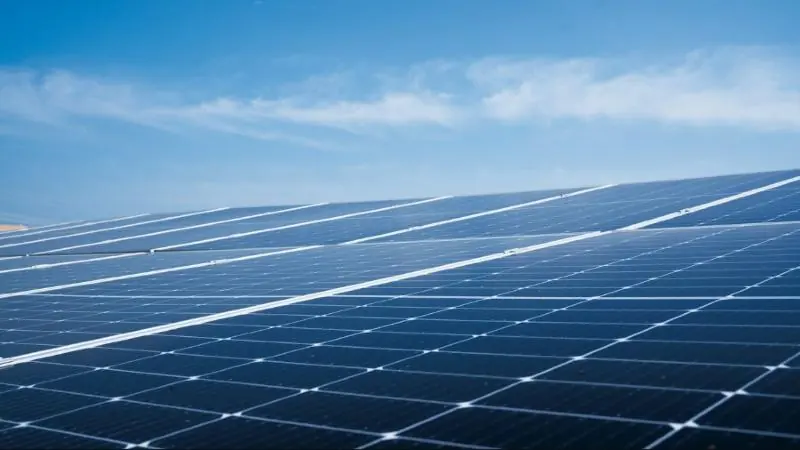
- Size the panels to the daytime load you can actually use.
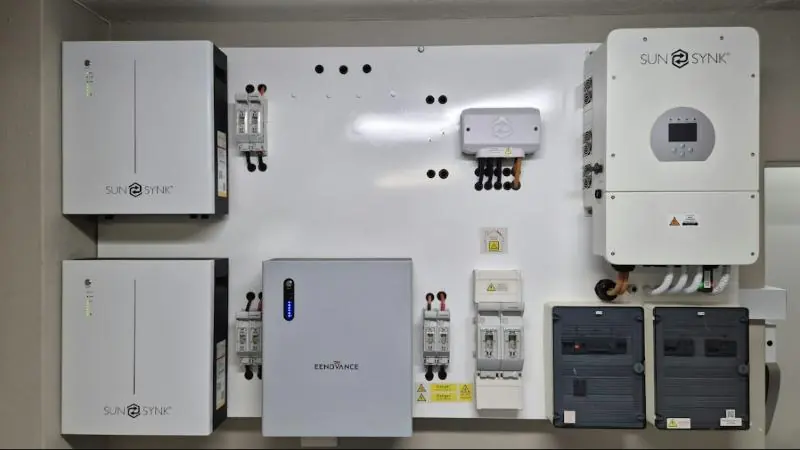
- Consider battery storage for evening use and outages.
- Model exports only after self-use is covered.
Do not export without permission
Sending power to the grid outside an approved arrangement can bring its own costs, and the regulator has moved to charge for unauthorized exports. If you have no agreement, ask your installer about export limiting.