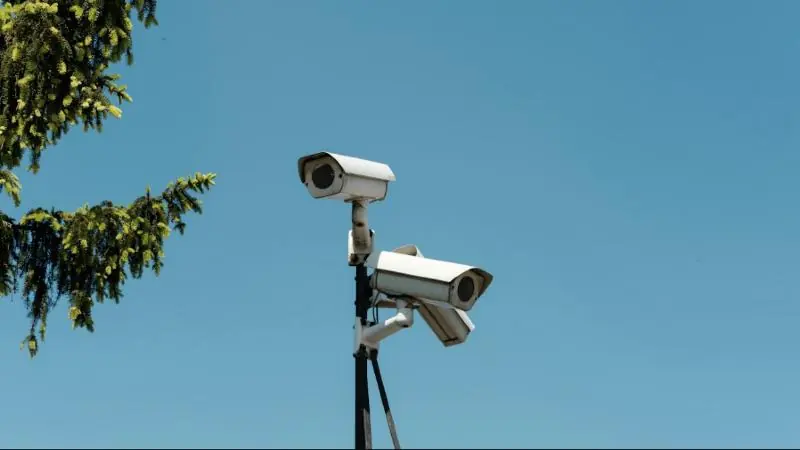
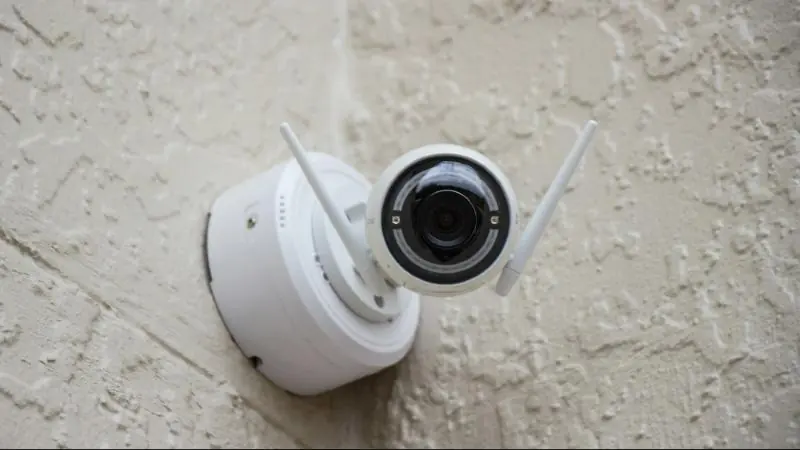
Video surveillance works best when each camera has a clear job. Resolution is only one factor, and a high-resolution camera in the wrong position will still miss what matters.
Define what each camera must show
Common goals include:
- Detection: seeing that someone is there.
- Recognition: telling whether it is someone you know.
- Identification: getting enough detail to identify a person or read a plate.
These goals set the lens, position and pixel density. A wide view of a car park is unlikely to read a number plate at the gate.
Consider light
Kenyan sites can have harsh daylight and very dark nights. Wide dynamic range helps at bright doorways, while low-light performance or infrared helps at night. Test the view at the hardest time of day.
Plan storage and network capacity
Storage needs depend on the number of cameras, resolution, frame rate, motion and how long you keep footage. Keep the retention period consistent with your purpose, as discussed in our article on CCTV and data protection.
Power over Ethernet can simplify installation, but check the switch's power budget. Separate cameras from general traffic with a VLAN, and change default passwords.
Use video analytics realistically
Analytics can flag a person crossing a line, a vehicle in a restricted area or an object left behind. They help operators focus, because nobody can watch every screen. Accuracy still depends on the camera angle, lighting and rule setup, so test on site and tune against false alarms.
Be especially careful with facial recognition, which raises additional privacy questions.
Plan the response
An alert is useful only if someone knows what to do next. Agree who monitors the system, who is called and how footage is exported. You can also connect surveillance to access control. See our Security and Surveillance services.